
In the world of industrial maintenance, the "cost of wear" is a constant battle. Whether you are managing a concrete mixer in Germany or a mining chute in Australia, the integrity of your machine lining determines your downtime. Standard steel plates often fail under extreme abrasion, making Tungsten Carbide Plates the strategic choice for 2026.
In the world of industrial maintenance, the "cost of wear" is a constant battle. Whether you are managing a concrete mixer in Germany or a mining chute in Australia, the integrity of your machine lining determines your downtime. Standard steel plates often fail under extreme abrasion, making Tungsten Carbide Plates the strategic choice for 2026.
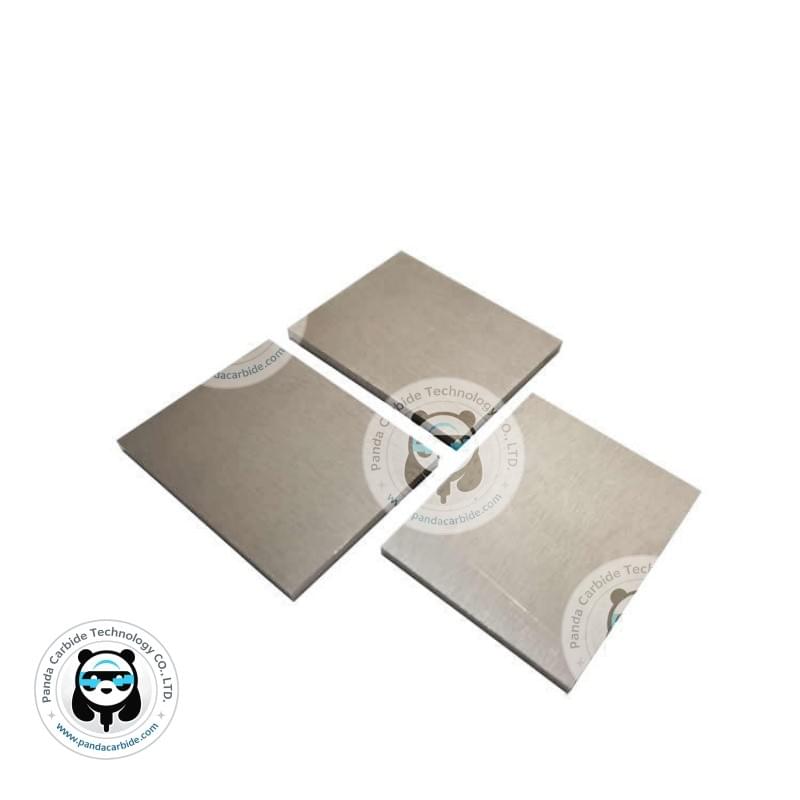
1. Material Science: Why HIP Sintered Carbide?
Before installation, understanding the material is crucial. Panda Carbide utilizes Hot Isostatic Pressing (HIP) sintering. This process eliminates micro-porosity, significantly increasing the Transverse Rupture Strength (TRS).
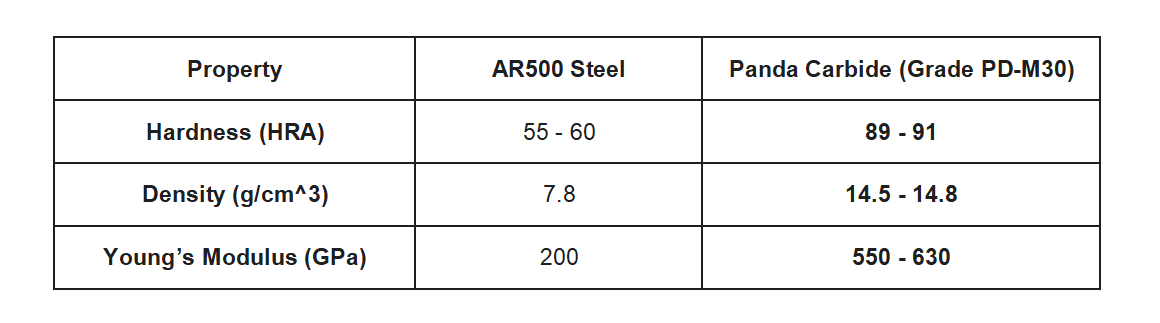
Technical Comparison at a Glance:
2. Installation Method A: Precision Induction Brazing
Brazing is the preferred method for high-vibration environments like shredder housings or impact chutes. Because carbide and steel have different thermal expansion coefficients, the brazing process must be precise to avoid "stress cracking."
Step-by-Step Brazing Guide:
- Surface Preparation: Sandblast the steel backing to a white metal finish. Clean the carbide wear plate with an industrial degreaser.
- Flux Application: Use a high-temperature fluoride-based flux to prevent oxidation.
- Shim Selection: Use a "sandwich" braze (Silver-Copper-Silver) shim. The copper core acts as a buffer to absorb the stress caused by the different expansion rates of carbide and steel.
- Temperature Control: Heat the assembly to approximately 700°C (1292°F) using induction or torch heating. Ensure even heat distribution to prevent localized thermal shock.
- Slow Cooling: Once the alloy flows, cover the part in vermiculite or dry sand to ensure slow, uniform cooling over several hours.
🛠️ FREE DOWNLOAD: Brazing Mastery Checklist
Don't let installation errors ruin your high-value liners. Download our 1-page 2026 Brazing Troubleshooting Guide to ensure a perfect bond every time.
3. Installation Method B: Mechanical Fastening (Countersunk Bolting)
For large-scale machine linings in the concrete or agriculture industry, mechanical fastening allows for rapid on-site replacement.
Engineering Best Practices:
- Pre-formed Holes: At Panda Carbide, we provide carbide plates with pre-formed countersunk holes. Trying to drill through sintered carbide on-site is nearly impossible.
- Torque Specs: Use grade 10.9 or 12.9 bolts. Ensure the bolt head sits 0.5mm below the carbide surface to prevent the bolt from being sheared off by abrasive flow.
- Sealing: Use an industrial epoxy or silicone sealer in the gaps between plates to prevent "under-washing"—where fine particles erode the steel backing behind the carbide.
4. Application Environments
We support global industries by tailoring our grades to regional geological and industrial needs:
- Mining (Americas & Africa): Heavy-duty liners for primary crushers and transfer points.
- Recycling (Europe & Asia): Internal linings for [Carbide Shredder Inserts] and housings to handle glass and e-waste.
- Precision Manufacturing: Micro-plates used in the production of [Carbide Needle Rods] and electronic components.
[Reference: ISO 4499 Standards for Hardmetal Microstructures]
5. Maintenance & Wear Monitoring
To optimize your tungsten carbide wear sheets, regular inspection is required.
Q: How do I know when to replace my carbide liner?
A: Monitor the "step" between plates. If you notice a "washout" pattern or if the leading edge of a plate has worn down by more than 70% of its original thickness, replacement is recommended to protect the host machine.
Q: Can I repair a chipped carbide plate?
A: While small chips don't always affect performance, large cracks require the replacement of that specific segment to prevent the entire lining from becoming compromised.
🏮 2026 Vision: Galloping Toward Efficiency
As we celebrate the Year of the Horse (马年), the spirit of "Ma Dao Cheng Gong" (马到成功) guides our engineering. Just as a strong steed needs durable shoes to traverse rugged terrain, your machinery needs the "industrial armor" of Panda Carbide plates.
We wish our global partners a year of unbridled success and peak operational uptime. May your production lines run with the speed and strength of a thousand horses! 🐎💨
Panda Carbide - More Than Tough!